
Looking for work? How about a job cleaning up “AI slop?”
A recent article in The Guardian details an exploding freelance marketplace dedicated to correcting all the screw-ups in AI-generated graphic images, videos, writing and audio. You know it when you see it: hands with six fingers…a distorted logo…clumsy phrases…misaligned, malformed lettering or objects.
This “AI remediation” market has grown 70% year-over-year on Upwork, and 87% on Freelancer.com.
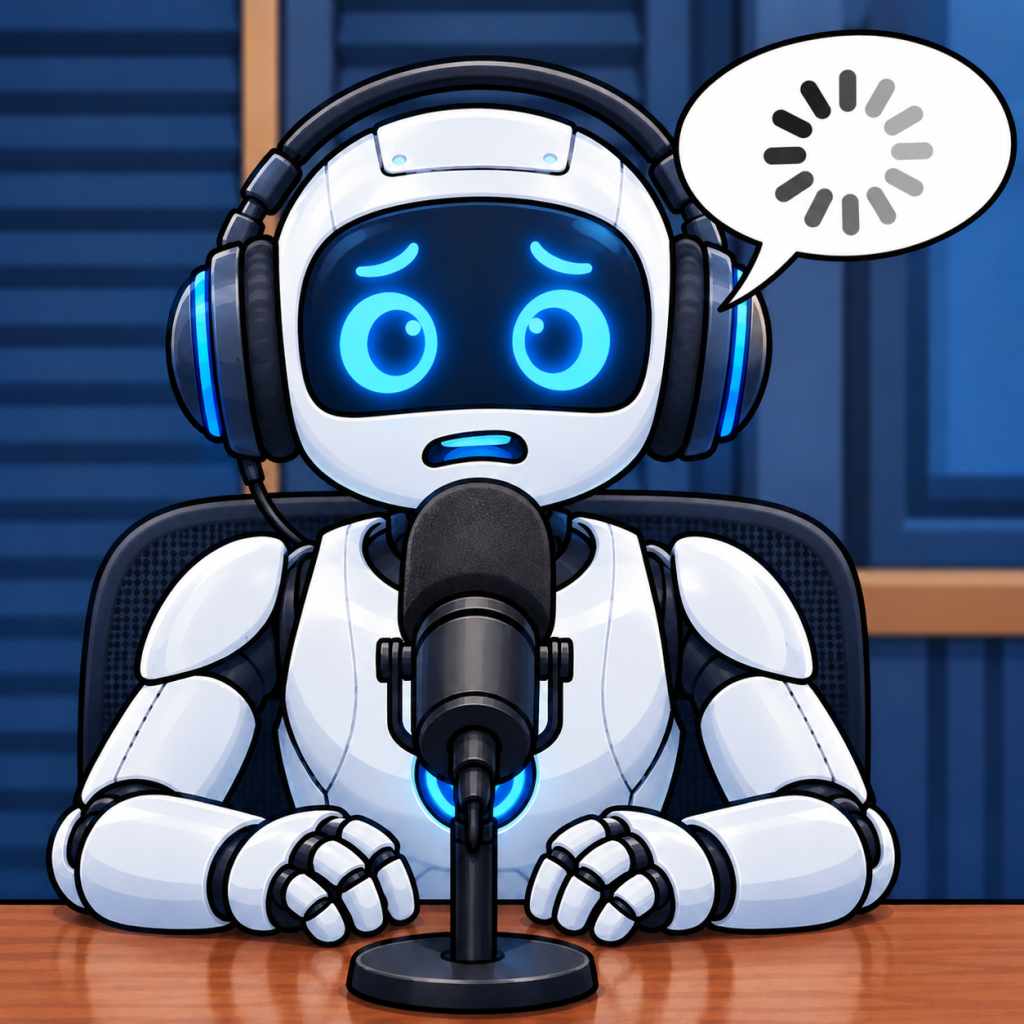
What’s interesting to me is that it includes AI voice repair, which means hiring somebody to sit and listen back to an entire AI voiceover and fix stuff like
- Mispronounced words
- Awkward pauses
- Unnatural pacing
- Hallucinated vocal artifacts
- Incorrect inflection or emphasis
- Dead air
So if you thought synthetic/AI voiceovers were a cheap and clever solution to replace human voice actors, guess what: all this did was add an extra layer of work – a whole new category of laborer assigned the time-consuming, tedious task of picking apart, patching up and stitching back together a flawed audio file.
It used to be that quality control and self-correction were value propositions embedded in the voice talent’s performance. You can’t do that with AI, and you wind up shifting the burden and effort to a mandatory post-production phase that you have to manage.
Now honestly, if your only concern is budget, it still may be cost-effective to use the combo of a synthetic voice + a QC voice repair freelancer, especially on high-volume projects.
But then again, if the AI voice turns out to have extreme artifacts or excessive bungles, that person editing your audio is gonna be stuck for hours on that file…and the meter is ticking, possibly eroding any budget advantage you thought you had.
Here’s an idea:
Avoid the slop. Go with an actual human being right out of the gate.